

What are the application scenarios of amusement equipment?
Amusement equipment is used to create play, recreation, and memorable visitor experiences in settings ranging from theme parks and family entertainment centers to hotels, shopping centers, schools, community venues, and temporary events. Its value depends on matching the attraction to the audience, available space, operating model, and site conditions. Buyers evaluating an installation should consider equipment type, capacity, supervision, accessibility, inspection and maintenance, and the safety rules that apply in their jurisdiction. A well-planned project can increase dwell time, support repeat visits, strengthen a venue’s family appeal, or provide a structured recreational amenity.
How Attraction Design Has Expanded Beyond Theme Parks
From destination rides to flexible venue experiences
Amusement equipment once brought to mind large rides in destination parks, but operators now use a broader range of attractions in smaller or mixed-use venues. Compact rides, soft-play structures, climbing features, interactive games, and inflatable attractions can fit into locations where land, staffing, or capital budgets do not support a full-scale park. This variety gives owners more ways to shape a guest experience around a specific audience, whether that means preschool play, family competition, or an active social outing for older children.
The shift toward flexible formats also changes how buyers assess a project. A successful installation is not simply the most visually striking option; it must work within the venue’s circulation, utilities, floor loading, staffing plan, and business hours. Operators should assess expected visitor volume and dwell time alongside the attraction’s footprint and throughput. Equipment that creates a queue longer than the venue can manage, or that requires supervision the operator cannot provide, may undermine the experience it was intended to improve.
Safety and compliance as part of the design brief
Safety requirements depend on equipment type, location, and local regulations. Buyers and operators should identify applicable standards early and confirm responsibilities with qualified designers, installers, inspectors, and local authorities. For example, the ISO 17842 standard for amusement rides and devices addresses safety requirements for covered ride equipment, while the ASTM F24 committee on amusement rides and devices develops relevant standards used in the industry. Neither reference replaces checking the rules adopted by the authority having jurisdiction.
Planning should also include risk assessment, operating procedures, staff training, inspection schedules, and a clear process for closing equipment when a defect is found. The OSHA lockout and tagout standard is relevant to controlling hazardous energy during covered servicing and maintenance in applicable U.S. workplaces. For play areas, operators should distinguish between amusement rides and playground equipment because different standards and oversight frameworks may apply. These considerations belong in the project brief, not as a last-minute check after installation.
Where Amusement Equipment Creates Practical Business Value
Theme parks and family entertainment centers
Theme parks use amusement equipment to build a sequence of experiences across age groups, thrill levels, and visitor capacities. A mix of rides, interactive attractions, and play areas can help families spend longer at a destination because different members of a group have suitable activities. Family entertainment centers apply similar thinking on a smaller footprint, often combining soft play, redemption games, compact rides, and party spaces. In both settings, the attraction mix should reflect the target demographic, expected peak demand, admission or pay-per-play model, and the venue’s ability to supervise and maintain each feature.
For operators, throughput and uptime are central commercial considerations. A ride with high appeal but limited capacity may generate queues that affect nearby attractions and food service. A well-balanced floor plan can distribute visitors and provide alternatives while equipment is temporarily unavailable. Before purchasing, compare manufacturer-rated capacity with realistic operating conditions, including loading time, accessibility procedures, staff coverage, cleaning, and scheduled downtime. No capacity figure should be treated as a revenue guarantee; actual performance depends on attendance, operations, and local conditions.
Retail centers, hotels, and hospitality venues
Shopping centers often use indoor play zones, small rides, and interactive attractions to give families a reason to visit and to make shared spaces more engaging. These installations can support dwell time and help distinguish a center’s offer, but the surrounding environment matters: sightlines, pedestrian routes, noise, cleaning access, and separation from vehicle or service areas all affect suitability. Owners should establish who operates the equipment, who supervises children, and how liability, maintenance, and access are managed, particularly when the attraction is provided by a tenant or third-party operator.
Hotels, resorts, and family-oriented restaurants may use play structures, splash features, or compact attractions as guest amenities. Here, the goal is often to improve the visitor experience rather than operate a standalone ticketed attraction. Equipment must fit the property’s guest profile and service model, and it should not create conflicts with quiet areas, food operations, or emergency routes. Outdoor installations require materials and components suitable for local weather exposure; indoor installations need appropriate ventilation, cleaning routines, and clear boundaries between play and other guest activities.
Schools, community spaces, and temporary events
Schools, recreation departments, and community organizations may use selected amusement equipment to support supervised recreation, seasonal programming, or public celebrations. The operator should define whether the equipment is intended for free play, organized activity, or ticketed use, then set age guidance, capacity controls, supervision, and access arrangements accordingly. Inclusive planning matters: routes, entrances, transfer options, and adjacent seating can affect whether visitors with different mobility or sensory needs can participate. The U.S. Department of Justice’s 2010 ADA Standards for Accessible Design provides accessibility requirements for covered facilities in the United States; projects elsewhere should consult the applicable local requirements.
Fairs, festivals, corporate events, and touring activations can benefit from temporary attractions such as inflatables, mobile rides, or interactive games. Their portability does not remove the need for careful planning. Site teams need to verify ground conditions, anchoring or support requirements, weather limits, power supply, crowd management, and safe access for delivery and emergency response. Event organizers should assign responsibility for setup checks, operating controls, supervision, and shutdown decisions. A temporary installation should be assessed for its actual site and operating period rather than assumed safe because it has been used elsewhere.
| Application scenario | Typical equipment | Key technical and operational requirements | Potential benefit |
|---|---|---|---|
| Theme park or family entertainment center | Rides, soft play, interactive games | Capacity planning, trained operators, inspections, maintenance access | Broad appeal and a varied visitor experience |
| Shopping center or retail venue | Indoor play zones, compact rides, games | Pedestrian circulation, sightlines, cleaning, operator responsibilities | Family engagement and a more active shared space |
| Hotel or resort | Play structures, splash features, small attractions | Weather or hygiene controls, guest supervision, service-area separation | Additional recreational value for guests |
| School or community facility | Play equipment, interactive or seasonal attractions | Age suitability, accessibility, supervision, local compliance | Structured recreation and community programming |
| Festival or temporary event | Inflatables, mobile rides, games | Ground and weather assessment, anchoring, power, crowd control | A flexible activity that can serve a defined event period |
How to Select, Install, and Operate the Right Solution
Match equipment to the audience, site, and business model
Begin with a documented project brief. Define the primary users, age range, expected attendance, intended duration of use, and whether the attraction is a core destination or a supporting amenity. Then review the available footprint, ceiling height, access for delivery, floor or ground conditions, utilities, drainage where relevant, and nearby circulation. A detailed site assessment helps identify constraints before procurement and reduces the risk of choosing amusement equipment that cannot be installed or operated as planned.
Commercial assumptions should be tested rather than treated as facts. A ticketed operator may focus on capacity, session length, staffing, and revenue per visitor; a hotel may prioritize guest satisfaction, low-friction supervision, and a manageable maintenance burden. Compare the full lifecycle cost, including delivery, installation, training, inspections, replacement parts, cleaning, repairs, and eventual removal. Request clear technical documentation and ask suppliers to explain the assumptions behind capacity, age guidance, and maintenance intervals. Seek independent professional advice where the design, structure, electrical work, or local approval process requires it.
Plan for accessibility, supervision, and daily operations
Accessibility should be considered from the first layout, not added after equipment is selected. Review the approach route, entrance and circulation widths, viewing and waiting areas, and the availability of accessible ways to participate. The right solution varies by attraction and applicable rules, so venue owners should consult qualified accessibility professionals and relevant authorities. Clear signage and an understandable boundary between active play and circulation can also help families and staff use the space confidently.
Operational readiness depends on people and processes as much as hardware. Assign trained staff to duties such as opening checks, guest communication, capacity control, and incident response. Maintain written procedures for routine inspections, defect reporting, cleaning, emergency shutdown, and return to service. Keep records of maintenance and inspections in line with the manufacturer’s instructions and applicable requirements. Operators should define who can authorize reopening after a fault and how visitors will be directed if equipment is unavailable.
Evaluate suppliers and long-term performance
When comparing suppliers, assess more than the initial quotation. Review the scope of design and installation, documentation, training, warranty terms, spare-parts availability, service response, and the supplier’s experience with comparable applications. Ask for written specifications that identify site prerequisites and operating limits. Where a project involves custom design or structural integration, confirm which party is responsible for engineering, approvals, installation supervision, and final acceptance testing.
After opening, track practical indicators such as usage patterns, downtime, maintenance findings, visitor feedback, and staffing demands. These measures help operators determine whether the attraction is meeting its intended purpose and where adjustments are needed. Equipment may need new operating schedules, revised signage, additional staff, or a different maintenance plan as the venue’s audience and business conditions change. Treating amusement equipment as a managed asset, rather than a one-time purchase, supports safer and more consistent performance throughout its service life.
Contact our team to discuss your venue, site requirements, and the amusement equipment options that best fit your operational goals.
Frequently Asked Questions
What types of venues can use amusement equipment?
Amusement equipment can be used in theme parks, family entertainment centers, shopping centers, hotels, resorts, schools, community venues, fairs, festivals, and other events. The suitable equipment depends on the audience, site conditions, operating model, and applicable requirements.
How do I choose amusement equipment for a small venue?
Define the target audience and business purpose, then assess footprint, ceiling height, access, utilities, expected demand, staffing, and maintenance capacity. Compare lifecycle costs and request clear technical documentation before selecting equipment.
Can amusement equipment be installed in a shopping center or hotel?
Yes. Shopping centers and hotels may use play zones, compact rides, interactive games, or other suitable attractions. Planning should address pedestrian circulation, supervision, cleaning, noise, guest access, operating responsibility, and applicable safety requirements.
What safety requirements should operators consider?
Operators should identify the standards and regulations that apply to the equipment and jurisdiction, and plan for risk assessment, trained staff, inspection, maintenance, operating procedures, and emergency response. Applicable requirements vary by equipment type and location.
What should be checked before installing temporary amusement equipment at an event?
Confirm site and ground conditions, anchoring or support needs, weather limits, power supply, delivery access, crowd management, supervision, inspection responsibilities, and emergency routes. Assess the actual installation site and operating period.
How can a venue evaluate whether its amusement equipment is performing well?
Track usage patterns, downtime, maintenance findings, visitor feedback, and staffing demands. These indicators can show whether the attraction is meeting its intended purpose and whether operating schedules, signage, staffing, or maintenance plans need adjustment.
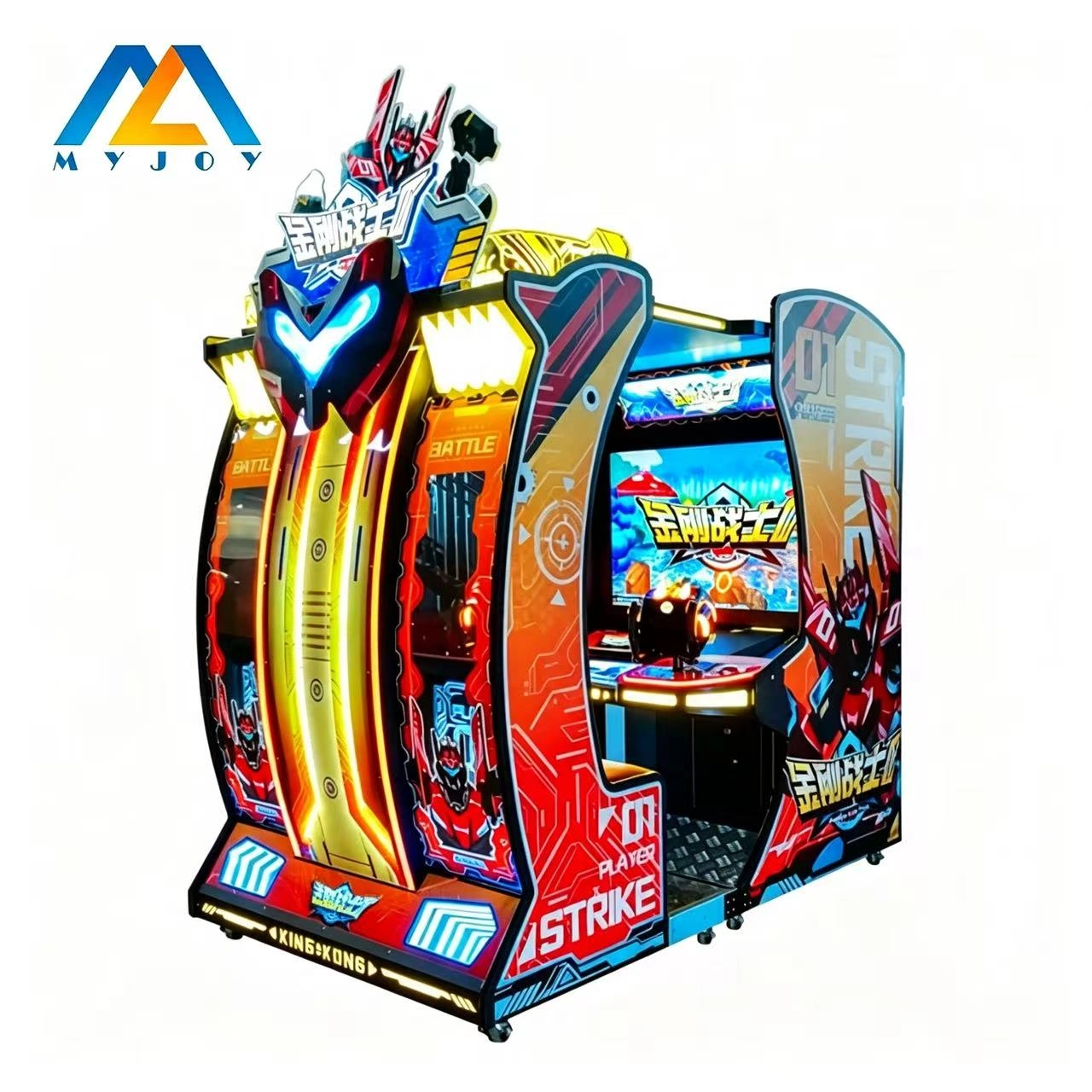
Kong Warrior is an upgraded parent-child interactive shooting game machine designed with a mech sci-fi theme. It combines cooperative level-based gameplay with light shooting mechanics. The device supports dual-player interaction between parents and children, where players defeat enemy robots to complete mission stages. It is suitable for family entertainment and parent-child consumption scenarios, offering strong immersion and interactive engagement.
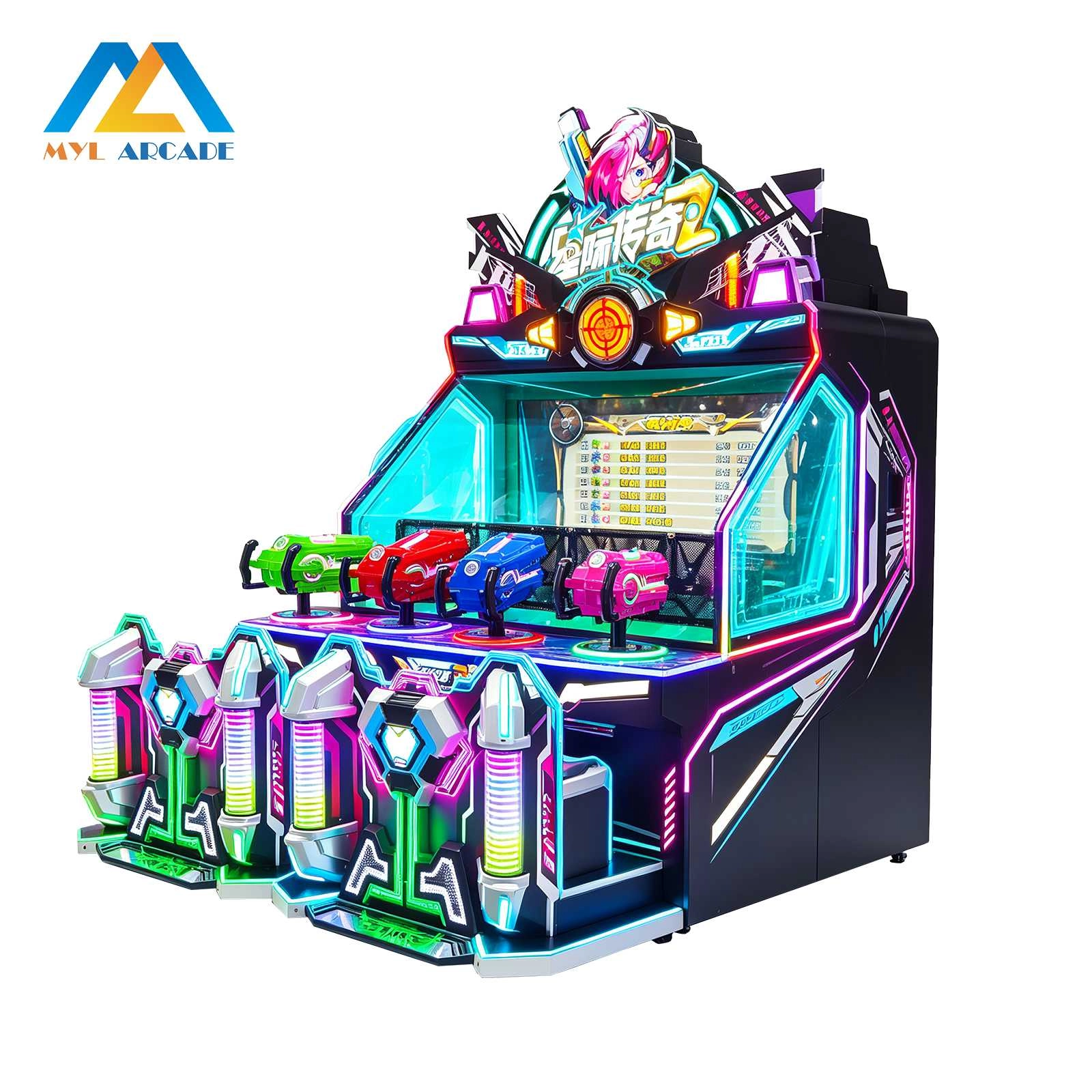
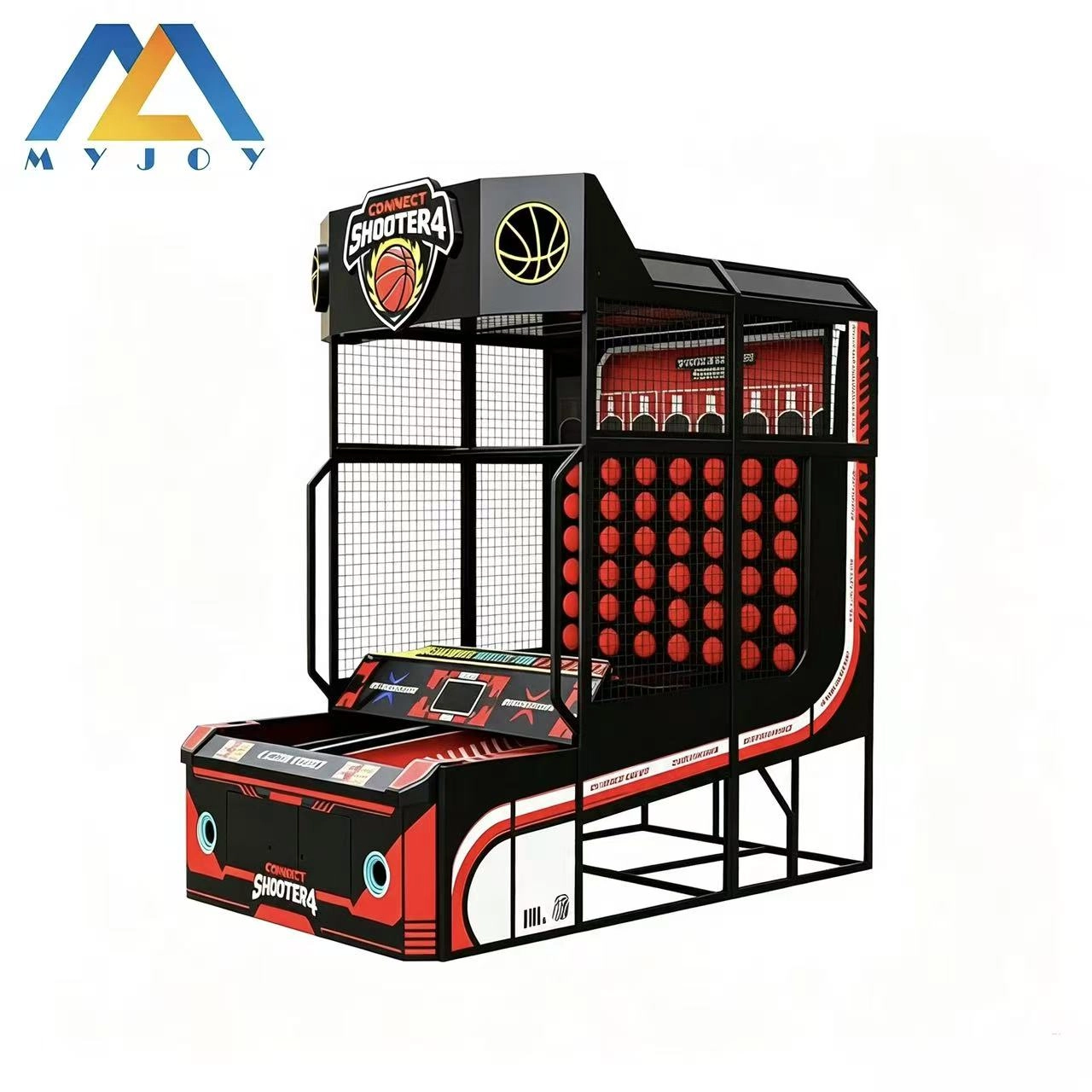
Star Legend is a newly designed 4 player shooting arcade machine featuring a 75-inch HD interactive display, realistic ball shooting gameplay, and colorful LED lighting effects. Designed for commercial entertainment venues, this arcade game machine combines physical interaction, multiplayer competition, and immersive adventure themes to create an exciting gaming experience for children, families, and players of all ages.
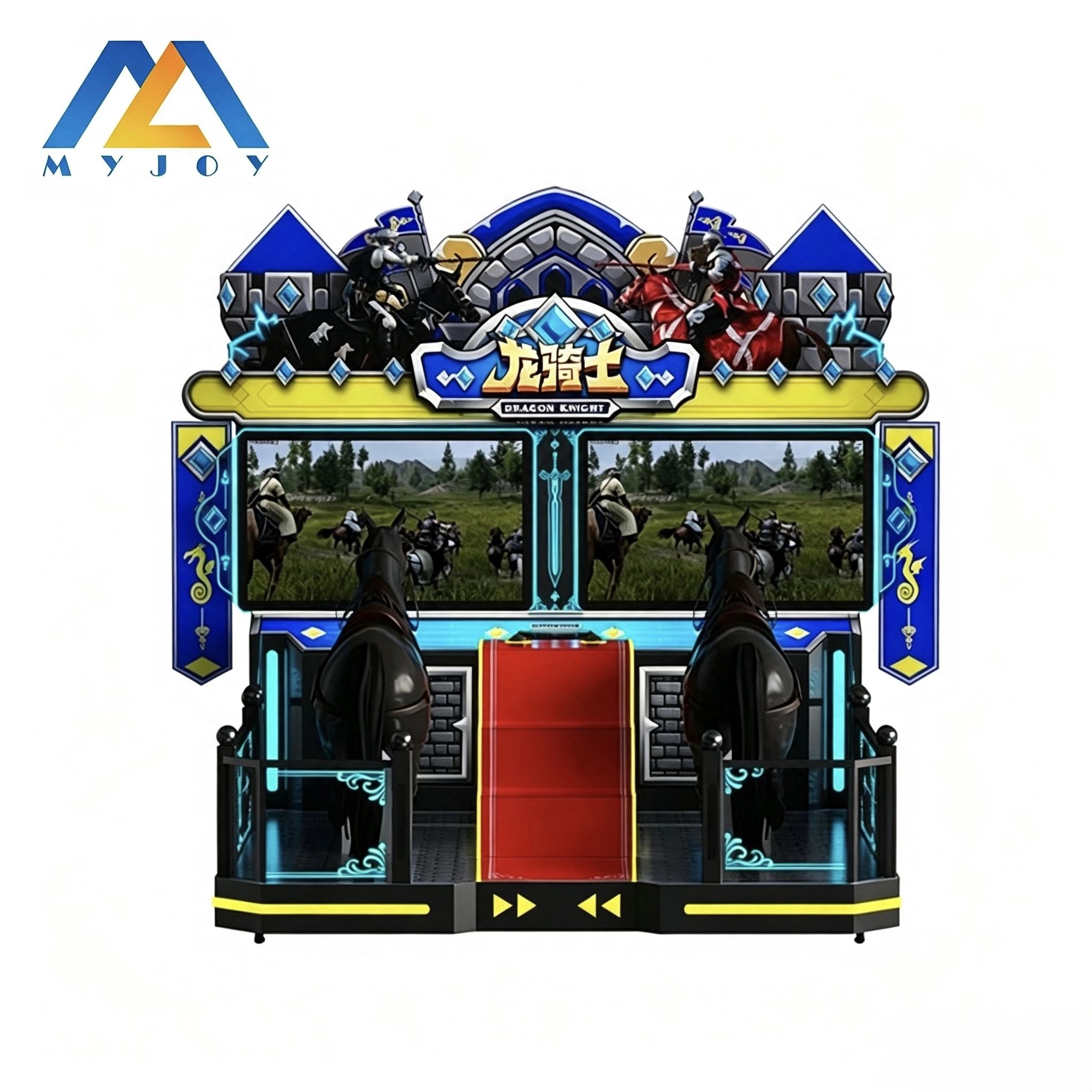
Flying Dragon Knight Horse Racing Simulator is a premium two-player arcade entertainment machine designed for amusement parks, shopping malls, arcades, family entertainment centers and themed attractions. Inspired by medieval knights and fantasy dragon adventures, this simulator combines realistic horse riding motion, interactive racing gameplay and an impressive visual design to create an unforgettable entertainment experience.
Featuring two realistic horse models, dual HD displays, dynamic motion control, vibration feedback and immersive sound effects, players can experience exciting horse racing competitions, adventure challenges and jumping missions. The machine recreates the feeling of real horseback riding through synchronized movement and responsive control systems.
With its eye-catching dragon knight appearance, colorful LED lighting, multiplayer competition mode and safe commercial design, Flying Dragon Knight Horse Racing Simulator is an excellent attraction solution for increasing customer engagement and entertainment value.
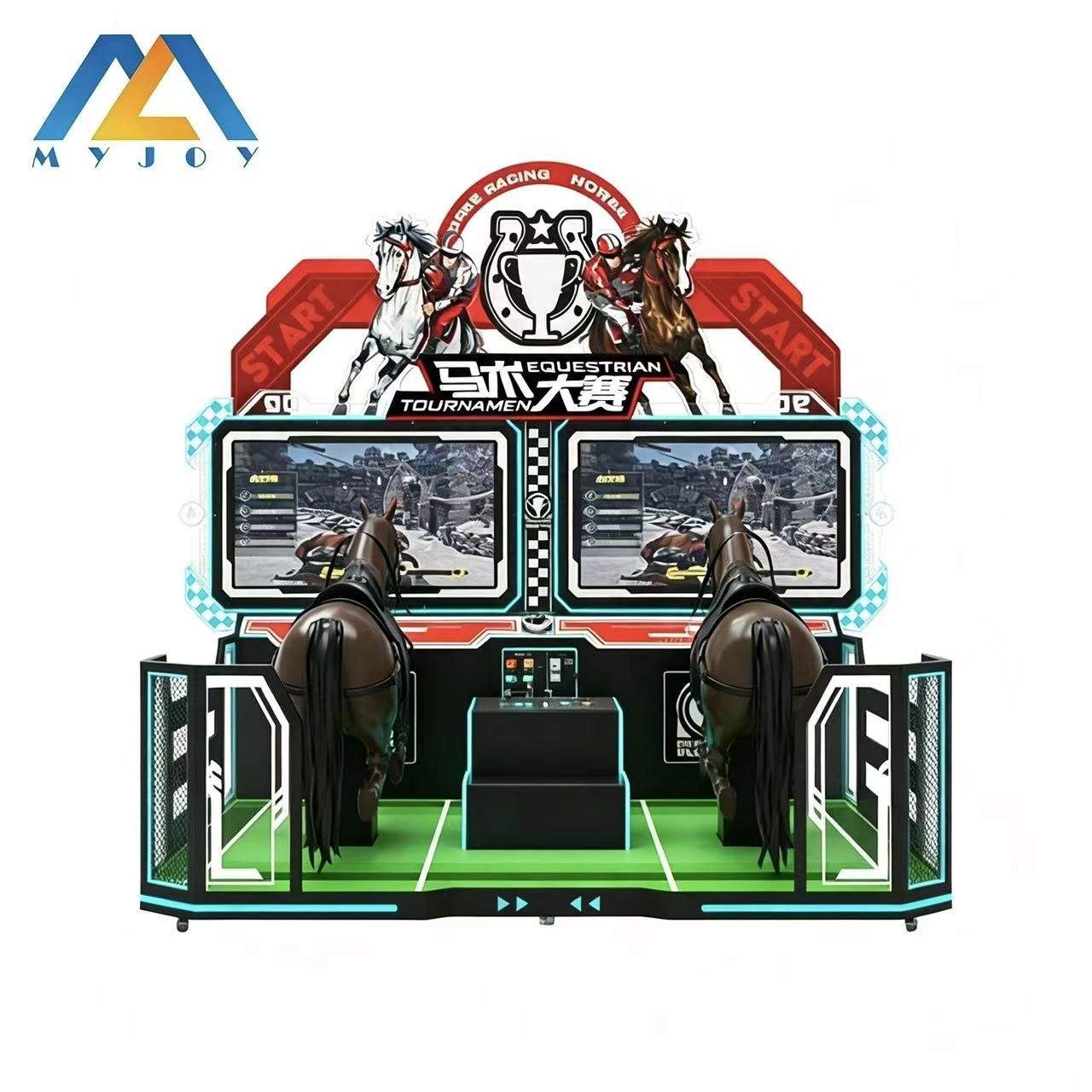
The Horse Racing Championship is a dual-player interactive sports simulator developed by Guangzhou Meiyilian Animation Technology Co., Ltd. It combines simulated horseback riding, competitive racing, physical interaction, and immersive visual effects to create an exciting attraction for players aged 5 to 50.
The machine features two realistic horse models equipped with comfortable saddles and reins. Players control their horses through riding movements and compete on two HD screens. Multiple racing scenes, difficulty levels, and challenge modes make the experience suitable for beginners and experienced players alike.
With its striking equestrian-themed design, dynamic LED lighting, green racetrack-style platform, and competitive ranking system, the machine easily attracts attention and encourages repeat play. It is ideal for amusement arcades, shopping malls, family entertainment centers, sports venues, theme parks, clubs, and tourist attractions.


No. 3, Wenjian Second Road, Wenbian Village, Shiji Town, Panyu District, Guangzhou City, China
Facebook